


The most stolen and hijacked vehicles in South Africa
Hijackings are falling, but South Africa still records dozens every day.1 Criminal syndicates target vehicles that are popular, easy to resell and in high demand for spare parts,2 and most incidents happen in Gauteng.1
Carjackings by province
Gauteng: 58%- Gauteng2,207
- Western Cape548
- KwaZulu-Natal481
- Eastern Cape195
- Mpumalanga192
- North West110
- Limpopo46
- Free State27
- Northern Cape5
Top hijacking hotspots
By police stationSource: SAPS Police Recorded Crime Statistics, first quarter 2026/27 (April–June 2026).1,3
Driving in Gauteng or Cape Town?
Get a tracker fitted before you need it. Deals from R99pm with free installation.
Why so many cars are stolen in South Africa
Security companies describe hijacking as syndicate work. Fidelity ADT says hijacked vehicles are “stripped for parts or illegally re-registered”, and that the syndicates “operate across provincial and national borders”.2 That gives a stolen vehicle three likely ends.
Smuggled across the border
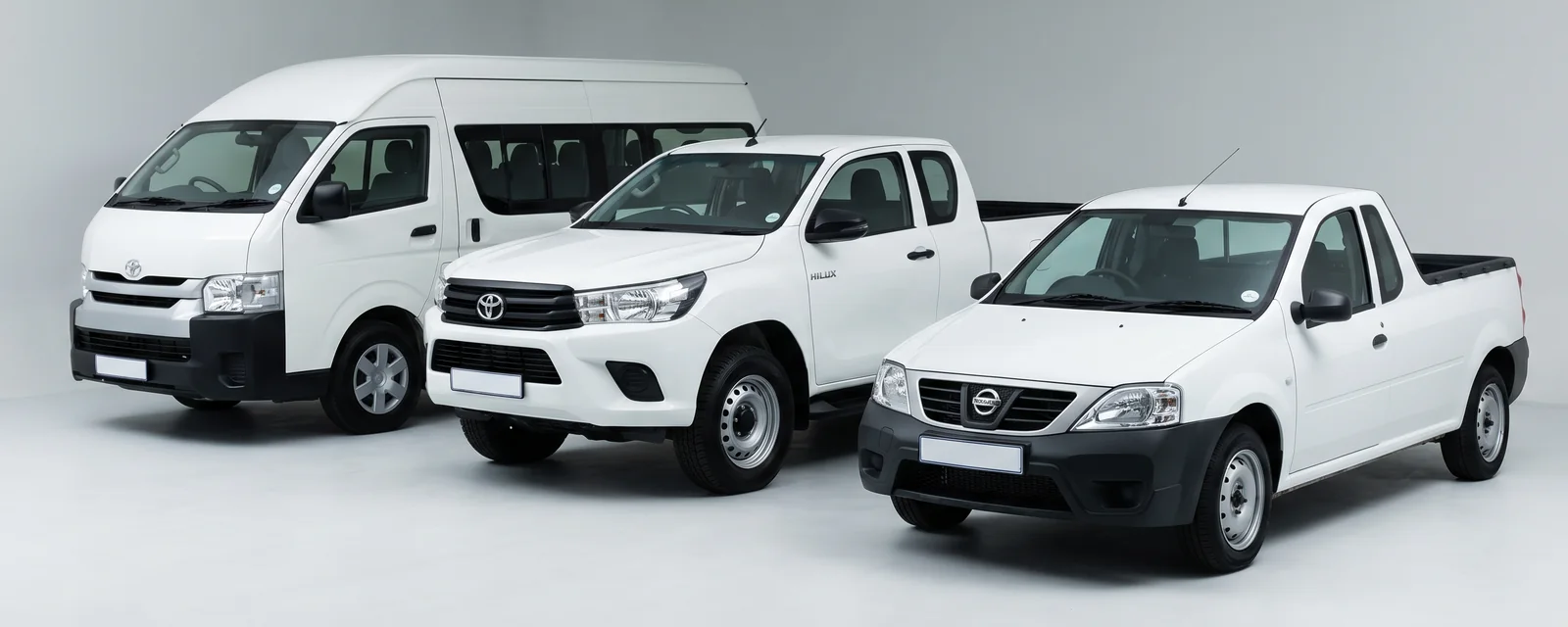
Bakkies and 4x4s are wanted in neighbouring countries. Gauteng Tourism’s list gives the Toyota Hilux’s “high resale value, both locally and in neighboring countries” as the reason it is targeted,4 and Fidelity has put the share of stolen and hijacked cars smuggled into neighbouring countries at 30% (a 2024 figure).5
Stripped for parts
High-volume cars are often worth more in pieces. The same list names the Polo for its spare parts and the Nissan NP200 as “easy to resell or strip for parts”.4 MasterDrive says the Hilux and Polo stay on its 2026 list because of their “popularity, resale value, and high demand for parts”.6
Syndicates also prefer vehicles that blend into traffic, and Fidelity singles out common models in white and silver.7 That is why the most popular cars on South African roads are also the ones named most often.
Is your car on the list?
Bakkies take four of the ten places, with the Toyota Hilux first. Popular hatchbacks such as the Polo Vivo are wanted mainly for spare parts.8
This is King Price’s 2026 ranking of the most hijacked cars, as published. SAPS counts vehicle types, not makes or models, and no source publishes hijackings per model, so treat it as a list of named targets, not a count.
- 1Toyota HiluxBakkieQuote for a Toyota Hilux
- 2VW Polo VivoHatchbackQuote for a VW Polo Vivo
- 3Ford RangerBakkieQuote for a Ford Ranger
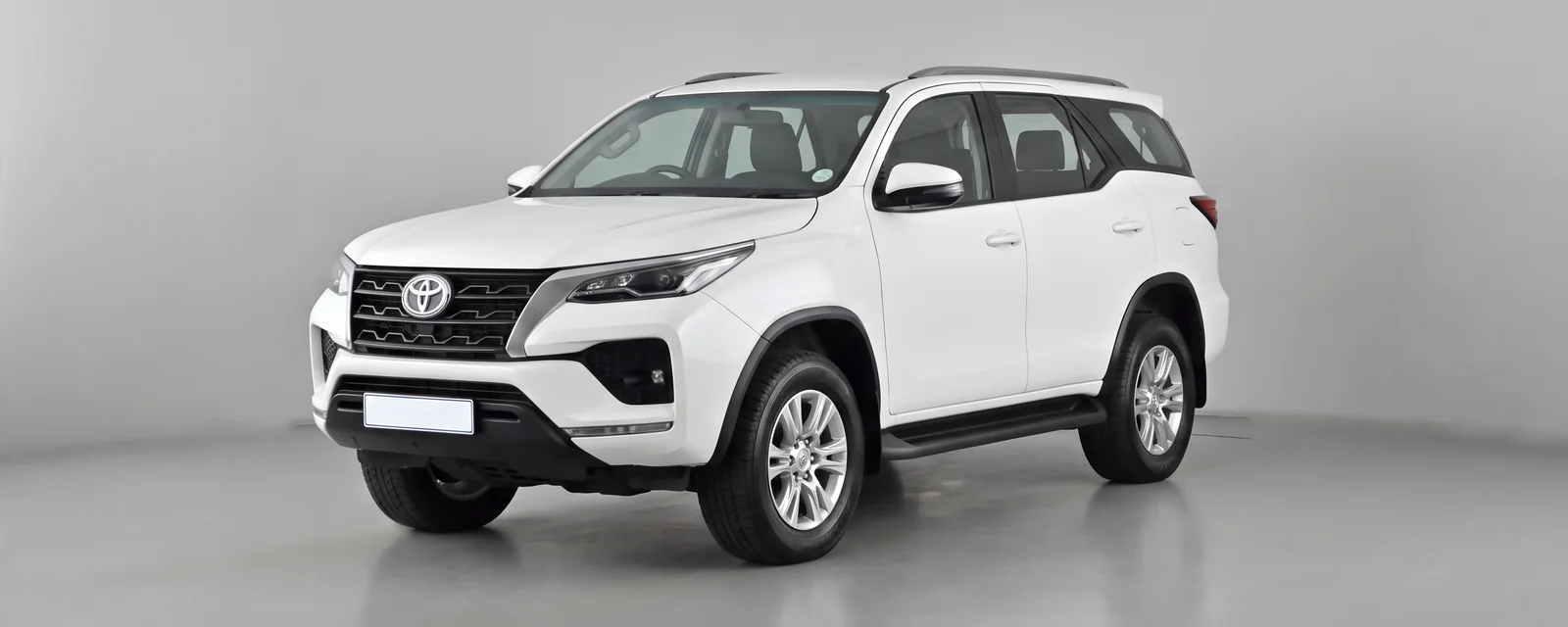
- 4Toyota FortunerSUVQuote for a Toyota Fortuner
- 5Hyundai Grand i10HatchbackQuote for a Hyundai Grand i10
- 6Nissan NP200BakkieQuote for a Nissan NP200
- 7Isuzu D-MaxBakkieQuote for a Isuzu D-Max
- 8Toyota CorollaHatch and sedanQuote for a Toyota Corolla
- 9Kia PicantoHatchbackQuote for a Kia Picanto
- 10BMW 3 SeriesSedanQuote for a BMW 3 Series
How tracking and backup units protect your vehicle
A vehicle tracker cannot prevent a hijacking, but it improves the chance of getting your car back. Once you report the vehicle stolen, the provider’s control room picks up its location and sends recovery teams, working with the police, to retrieve it. The faster a vehicle is found, the less likely it is to be stripped for parts or moved across the border. Insurers such as MiWay and King Price can also make a working tracker a condition of theft and hijacking cover.9,10
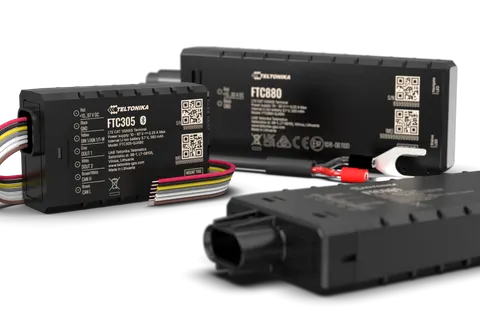
What is a main tracking unit?
The primary tracker, hard-wired into your vehicle’s electrical system. It uses GPS to pinpoint the vehicle and a cellular (GSM) connection to send its location to the control room.
What is a backup unit?
A second, independent device hidden elsewhere in the vehicle. It has its own power source and stays dormant until needed, so it is very hard for criminals to find.
Why you need both
A main unit reports over GPS and the cellular network. If its signal is blocked, or the unit is found and ripped out, a backup unit hidden elsewhere on its own power gives the tracking company a second way to find your vehicle.
Why fit a tracker to your vehicle?
A vehicle tracking device does more than help recover a stolen car. For many South African drivers it is a condition of their insurance, and it gives you a record of where your vehicle is and who is using it.
Your insurer may require one
Insurers set tracker requirements per vehicle and write them on your policy schedule. If a required tracker is not fitted, or the subscription has lapsed, a theft or hijacking claim can be rejected.9,11 Check your policy schedule for tracker requirements.
Theft and hijacking recovery
If your vehicle is stolen or hijacked, the tracking company locates it and dispatches recovery teams to work with the police. The sooner a car is found, the more likely it is to be recovered before it is stripped for parts or taken across the border.
Unauthorised use alerts
Get notified when your vehicle is started, moved or driven outside a set area without your permission. It is useful for knowing when a family member, employee, car-wash attendant or mechanic is using your car.
Trip history and logbooks
Your tracker records every trip, including routes, times and distances. Some packages include an automated logbook, which makes business-travel records easier to keep.
Emergency assistance
Depending on the provider and package, your tracker can include a panic button, crash detection and 24-hour emergency response, so help can be sent to your exact location.
Fleet and business control
For company vehicles, tracking shows where every vehicle is in real time, with driver tags, speeding and harsh-driving reports, and records that help you manage fuel, routes and vehicle use.
Dashcams: proof of what happened on the road
A dashcam is a small camera mounted on your windscreen or dashboard that records continuously while you drive. Footage is saved to a memory card or the cloud, and the camera automatically locks and keeps the clip when it detects a sudden impact, so the moment that matters is never recorded over.
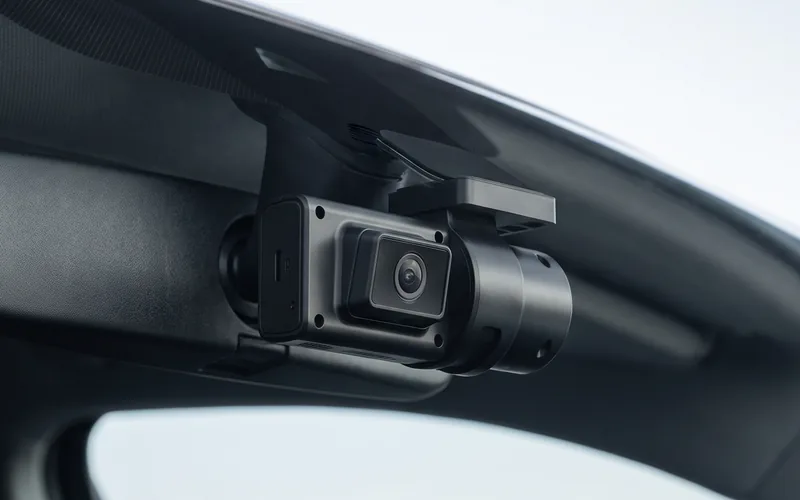
Evidence for insurance claims and accidents
After a collision, it often comes down to your word against the other driver’s. Dashcam footage shows exactly what happened, which can help your insurer establish fault. It also protects you against false claims and staged accidents.
Hijacking and smash-and-grab footage
A dashcam cannot stop a hijacking, but it records the suspects, their vehicle and number plate, and the time and place of the incident. Front and cabin cameras can capture a smash-and-grab at a traffic light. Footage like this can be handed to the police and your insurer.
Front, front-and-rear or cabin camera?
- Front onlyRecords the road ahead through the windscreen.Best for: Everyday driving and accident evidence
- Front and rearA second camera records the road behind, capturing rear-end collisions and vehicles following you.Best for: Commuters and family cars
- Cabin (interior)Records inside the vehicle, including the driver, passengers and side windows.Best for: Ride-hailing, taxis and fleet vehicles
Dashcam and tracker together
The two do different jobs. A tracker finds your vehicle after it has been taken, and a dashcam records what happened before and during the incident. With both installed, you have the location to recover your car and the footage to support your police report and insurance claim.
Frequently asked questions
How much does a vehicle tracker cost in South Africa?
Tracker deals on trackingdeals.co.za start from R99pm for a wireless recovery unit, or R149pm for a full insurance-approved tracker, with free installation on a 36-month contract. Compare providers to find the right price for your vehicle.
Do I need a tracker for my car insurance?
It depends on your insurer and your car. Insurers such as MiWay, King Price and Discovery Insure set the requirement per vehicle and write it on your policy schedule, and a theft or hijacking claim can be refused if a required tracker is not fitted and working. Check your schedule.
What is the difference between a main unit and a backup unit?
The main unit is wired into your vehicle and tracks it day to day. The backup unit is a separate hidden device with its own battery that activates if the main unit is jammed or removed.
Can a tracker stop a hijacking?
No. A tracker helps recover your vehicle after it has been taken. In a hijacking, your safety comes first: do not resist, and contact your tracking provider and the police as soon as you are safe.
Sources
- SAPS, “Police Recorded Crime Statistics, first quarter 2026/27 (April to June 2026), presentation, slides 64–65”, released 28 August 2026. saps.gov.za
- BusinessTech, quoting Fidelity ADT, “8 cars hijackers are targeting in South Africa, with one new addition”, 9 February 2026. businesstech.co.za
- SAPS, “First quarter 2026/27 detailed statistics workbook, sheet "RAW Data", national carjacking row”, released 28 August 2026. saps.gov.za
- Gauteng Tourism (gauteng.net), “Top hijacked cars”, 22 May 2025, updated 12 March 2026. gauteng.net
- Cars.co.za, citing Fidelity, “Most Hijacked Cars in South Africa”, 22 January 2025. cars.co.za
- BusinessTech, quoting MasterDrive, “The cars being hijacked in South Africa, with one new target”, 23 May 2026. businesstech.co.za
- BusinessTech, quoting Fidelity Services Group, “9 cars hijackers are targeting in South Africa in 2025, with 4 new additions”, 3 February 2025. businesstech.co.za
- King Price Insurance, “Most hijacked cars in South Africa (2026 crime statistics)”, 4 March 2026, last reviewed 28 April 2026. blog.kingprice.co.za
- MiWay, “MiPersonal insurance policy wording (updated March 2026)”, March 2026. miway-website.cdn.prismic.io
- King Price Insurance, “Insurance policy”, September 2026. kingprice.co.za
- Discovery Insure, “Plan guide”, 27 January 2026. discovery.co.za